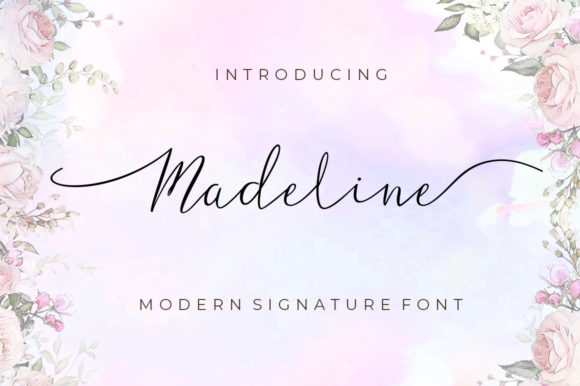
Discover the Delicate Charm of Madeline Font
The Timeless Appeal of Handwritten Fonts
Handwritten fonts have a unique ability to bring warmth and personality to any design project. Among these, Madeline stands out as an elegant and sweet font that captures the essence of handwritten elegance. Whether you're designing a wedding invitation, creating branding materials, or working on a personal blog, Madeline offers a versatile and charming option.
With its delicate curves and soft strokes, Madeline is more than just a font—it's a reflection of creativity and individuality. Its subtle imperfections mimic the natural flow of handwriting, making it feel personal and authentic. This makes it ideal for projects where a touch of human connection is desired.
Key Characteristics of the Madeline Font
The beauty of Madeline lies in its intricate details and gentle character. Each letter is crafted with care, ensuring that it maintains a balance between readability and aesthetic appeal. Here are some key features that make Madeline stand out:
- Elegant Curves: The flowing lines of Madeline give it a graceful appearance, perfect for designs that require a soft and sophisticated look.
- Versatile Weight: While primarily a light and delicate font, Madeline can be used in various weights to suit different design needs.
- Consistency in Style: Despite being a handwritten font, Madeline maintains a consistent style throughout, ensuring that your text looks cohesive and professional.
- Readability: Even though it has a handwritten feel, Madeline remains highly readable, making it suitable for both short and long-form content.
These characteristics make Madeline a go-to choice for designers looking to add a personal touch without sacrificing clarity or professionalism.
How Madeline Fits into Modern Design Workflows
In today's fast-paced digital world, design workflows often require flexibility and adaptability. Madeline fits seamlessly into modern design practices by offering a blend of traditional charm and contemporary functionality. It can be used across various platforms and mediums, from print to digital.
For example, when designing a website, Madeline can be used for headings or call-to-action buttons to create a sense of approachability and warmth. In branding, it can be incorporated into logos or taglines to convey a sense of elegance and uniqueness.
Moreover, Madeline is compatible with most design software and web development tools, making it easy to integrate into your workflow. Whether you're using Adobe Illustrator, Photoshop, or even Canva, Madeline can enhance your projects with its distinctive style.
Practical Benefits of Using Madeline
Choosing the right font can significantly impact the overall look and feel of a design. Madeline offers several practical benefits that make it a wise choice for many projects:
- Enhances Visual Appeal: The delicate charm of Madeline adds visual interest to any design, making it more engaging for viewers.
- Creates Emotional Connection: Handwritten fonts like Madeline can evoke a sense of intimacy and authenticity, which can help build stronger connections with your audience.
- Versatility Across Industries: From fashion to food, Madeline can be adapted to fit various industries and themes, making it a valuable asset in a designer's toolkit.
- Time-Efficient: With its consistent style and high readability, Madeline reduces the need for extensive adjustments, saving time during the design process.
These benefits highlight why Madeline is not only aesthetically pleasing but also functionally advantageous in a wide range of applications.
Scenarios Where Madeline Shines
Madeline's versatility allows it to shine in a variety of scenarios. Here are a few examples of how you can use this font effectively:
Wedding Invitations: Madeline's elegant and sweet feel makes it an excellent choice for wedding invitations. Its delicate charm can help set a romantic and personal tone for the event.
Personal Blogs: If you're running a personal blog, using Madeline can give your content a more personal and inviting feel. It works well for titles, headings, and even body text in a stylized format.
Branding Materials: Incorporating Madeline into your branding materials can help differentiate your brand from competitors. Its unique style can make your logo, packaging, or marketing collateral stand out.
Children’s Books: The soft and playful nature of Madeline makes it ideal for children’s books. It can create a warm and friendly atmosphere that appeals to young readers.
These examples demonstrate how Madeline can be tailored to meet the specific needs of different projects while maintaining its core aesthetic.
Considerations Before Choosing Madeline
While Madeline is a beautiful and versatile font, there are a few considerations to keep in mind before choosing it for your project:
- Legibility: Although Madeline is generally readable, it may not be the best choice for very long paragraphs or small text sizes. Ensure that the font size and spacing are appropriate for your content.
- Compatibility: Make sure that Madeline is compatible with the software and platforms you're using. Some fonts may not render correctly on certain devices or browsers.
- Brand Identity: Consider whether the style of Madeline aligns with your brand identity. While it's a great font for many applications, it may not be suitable for all industries or audiences.
- Licensing: Always check the licensing terms for Madeline to ensure that you're using it in compliance with the rules and regulations.
By keeping these factors in mind, you can make an informed decision about whether Madeline is the right font for your project.
Conclusion
Madeline is more than just a font—it's a celebration of elegance, charm, and creativity. Its delicate and sweet design makes it a standout choice for designers looking to add a personal touch to their work. Whether you're creating wedding invitations, branding materials, or personal blogs, Madeline can elevate your design with its timeless appeal.